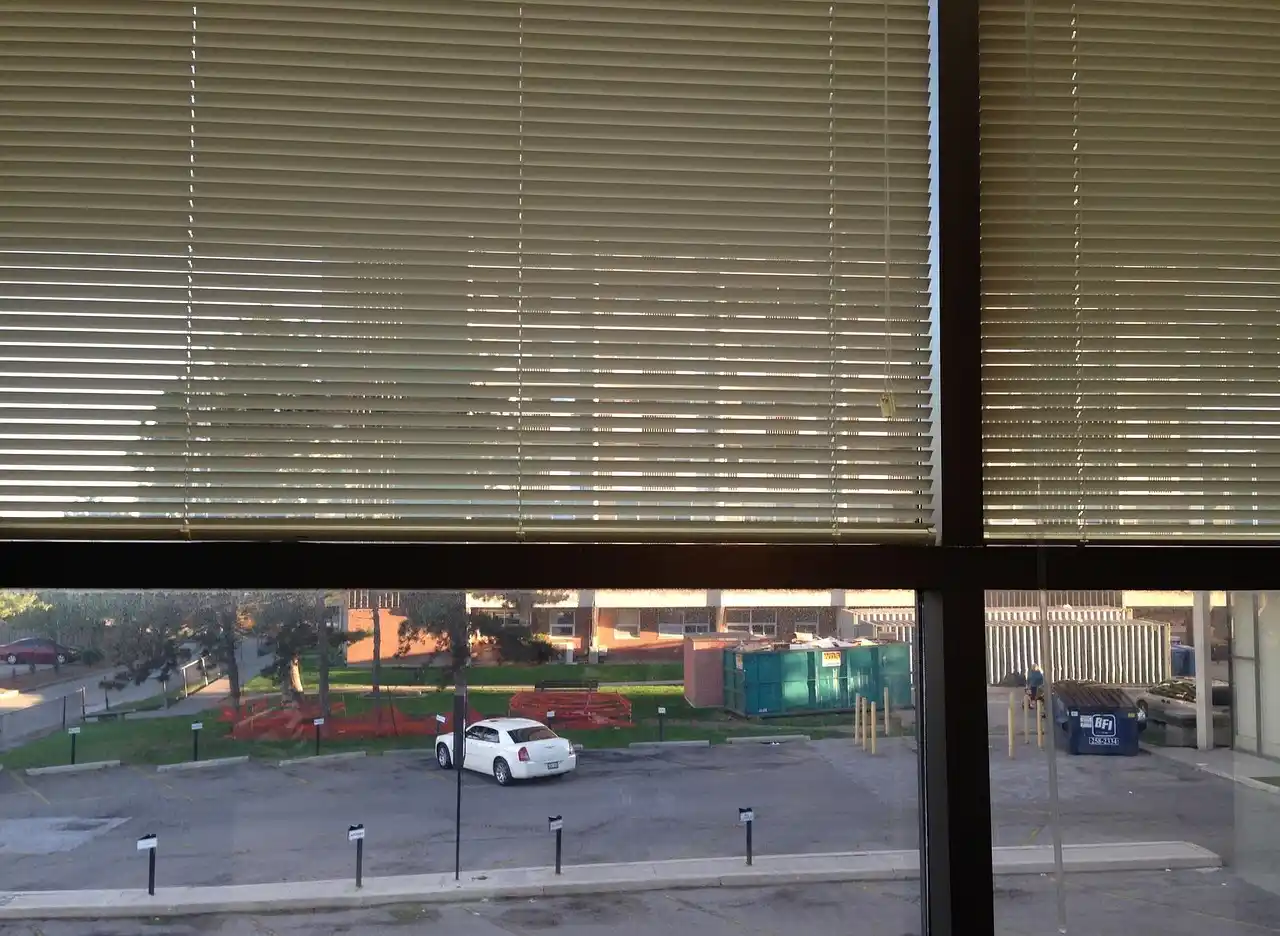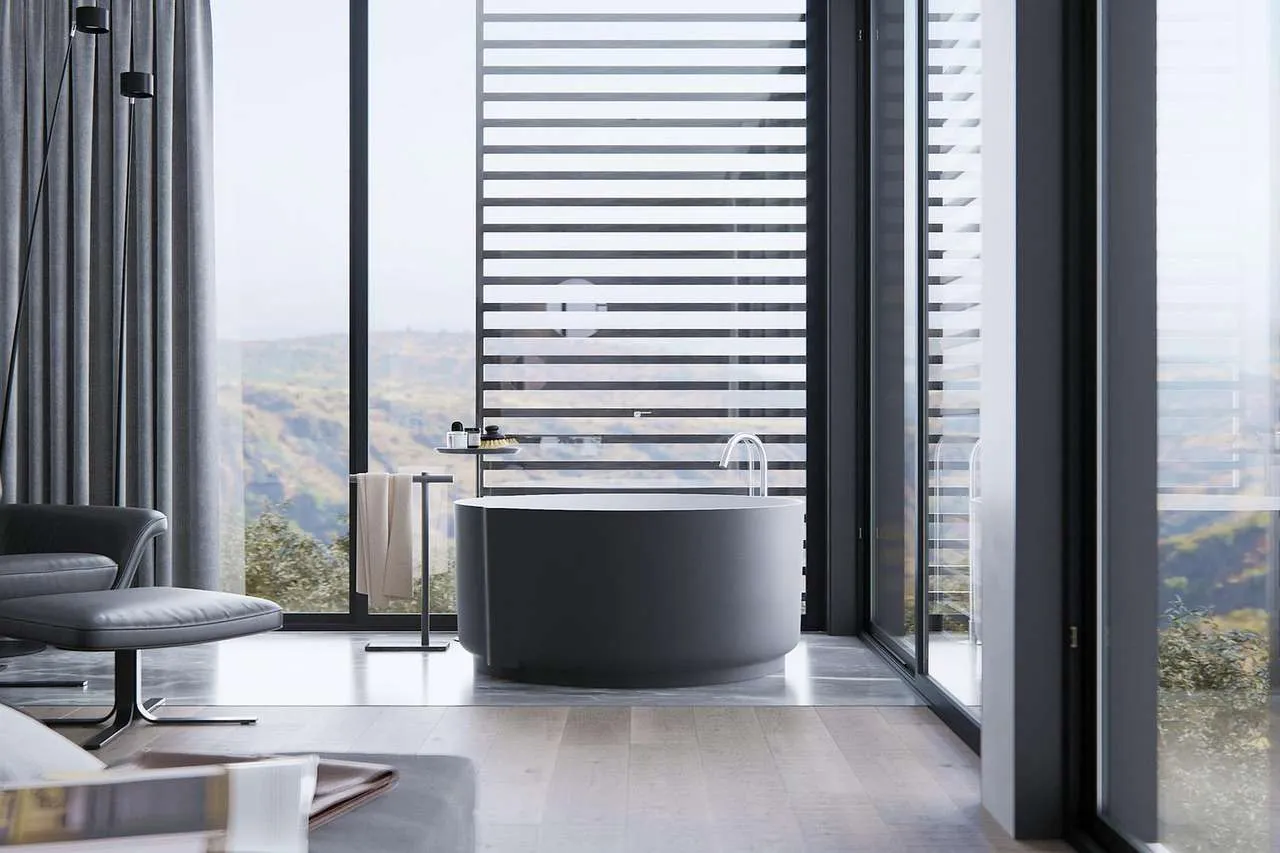
If you search for home window tinting near me, you are looking for local, trusted professionals who can improve comfort, energy efficiency, and privacy in your home. This guide covers what to look for, the types of films available, and how to choose a contractor you can trust.
Why find a local expert
Local tinting pros understand regional climate, sun exposure, and building codes. They can assess your windows, recommend appropriate film levels, and offer quick scheduling and warranty options. When you search home window tinting near me, prioritize licensed installers with clear pricing and documented warranties.
Benefits of home window tinting
- Heat reduction and energy savings by rejecting infrared radiation.
- UV protection that blocks up to 99 percent of harmful UV rays, protecting furnishings and skin.
- Improved privacy without sacrificing daylight.
- Enhanced security by holding glass together if shattered for some films.
- Glare control for screens and comfortable living spaces.
Choosing the right window film
Types of films
Window films come in several formulations, each with tradeoffs in light transmission, heat rejection, and cost.
| Type | Pros | Cons | Typical VLT |
|---|---|---|---|
| Dyed film | Affordable; good color; blocks some heat | Fades over time; moderate UV protection | 35–70% |
| Metalized film | Excellent heat rejection; strong privacy | Can interfere with electronics; uneven appearance | 15–60% |
| Ceramic film | Best clarity; high UV and heat rejection; non-reflective | Higher cost | 40–75% |
| Hybrid film | Balanced performance; reduced reflectivity | Moderate cost | 25–60% |
| Security or shatter film | Added safety; holds glass | Limited heat reduction alone | Varies |
Consider factors like visible light transmission, glare control, and the intended room use. For living rooms with strong sun exposure, higher heat rejection films may be worth the investment. For bedrooms, you might prioritize privacy and light control.
How to evaluate contractors
- Verify licensing and insurance; ask for proof of coverage.
- Request portfolio photos and local references; read independent reviews.
- Ask about warranties on both film and labor, and what is covered.
- Confirm the installed film type, visible light transmission, and warranty terms in writing.
- Ensure proper surface preparation and professional installation techniques.
What to ask about costs and ROI
Pricing varies by film type, window size, and local labor rates. A typical range is 5 to 15 dollars per square foot for film plus installation. A complete project often ranges from a few hundred to several thousand dollars for a whole-house upgrade. When calculating ROI, consider energy savings, reduced glare, and longer lasting interior furnishings.
Maintenance and care
Let new film cure according to the manufacturer guidance, usually a few days. Clean with non ammonia cleaners and a soft cloth. Avoid abrasive scrubbing that can scratch the film. Annual inspections help catch peeling or bubbling early, ensuring optimal performance.
Conclusion, Choosing local home window tinting near me providers with licensed installers, clear warranties, and appropriate film types delivers durable UV protection, energy savings, and comfort. Research local providers, review portfolios, and compare warranties to hire a reputable EEAT compliant pro for your home tinting project.